
Unveiling the myths and facts about casino odds
The Basics of Casino Odds
Understanding the basics of casino odds is essential for anyone stepping into a gaming environment. Casino odds represent the likelihood of different outcomes in various games. Each game has its own set of odds, which are calculated based on the rules and the probabilities behind the gameplay. For example, in slot machines, the odds are determined by random number generators that dictate the results of each spin. Knowing these rules can significantly influence a player’s strategy and expectations, especially when they seek online casino instant withdrawal options, ultimately impacting their gaming experience.
Moreover, odds are typically expressed in several formats, most notably as ratios, percentages, or implied probabilities. A common example includes roulette, where the odds of hitting a single number are 1 in 37 in European games. This means that players should be aware that the chances of winning are inherently low, creating a realistic perspective on potential outcomes. Understanding these odds helps dispel some of the false beliefs that players may hold, allowing for a more informed approach to betting.
It’s also important to note that while some games require skill, like poker, others are purely chance-based, such as slots. This distinction is crucial in understanding potential profitability. Skill-based games can enable players to apply strategies that may improve their odds, whereas games of chance rely solely on the random distribution of outcomes, which is often influenced by built-in house edges. Awareness of these differences can help players navigate their gaming experience more effectively and make more informed decisions.
Common Myths About Casino Odds
Many myths surround the concept of casino odds, often leading players to misguided beliefs about their chances of winning. One of the most prevalent myths is the idea that past outcomes influence future results, particularly in games of chance. This fallacy, known as the ‘gambler’s fallacy,’ suggests that if a certain number has not appeared in a while, it is due to come up more frequently. In reality, each spin or hand is an independent event, unaffected by previous results, which is critical to understand for anyone looking to gamble responsibly.
Another common misconception is the belief that higher stakes games offer better odds. While it seems logical that bigger bets would lead to better payouts, the odds in many games are fixed, regardless of the amount wagered. For example, betting higher amounts on a slot machine does not change the underlying odds of winning. This myth often leads players to wager more money, thinking they are increasing their chances of winning, when in fact, they are merely increasing their risk and potential losses.
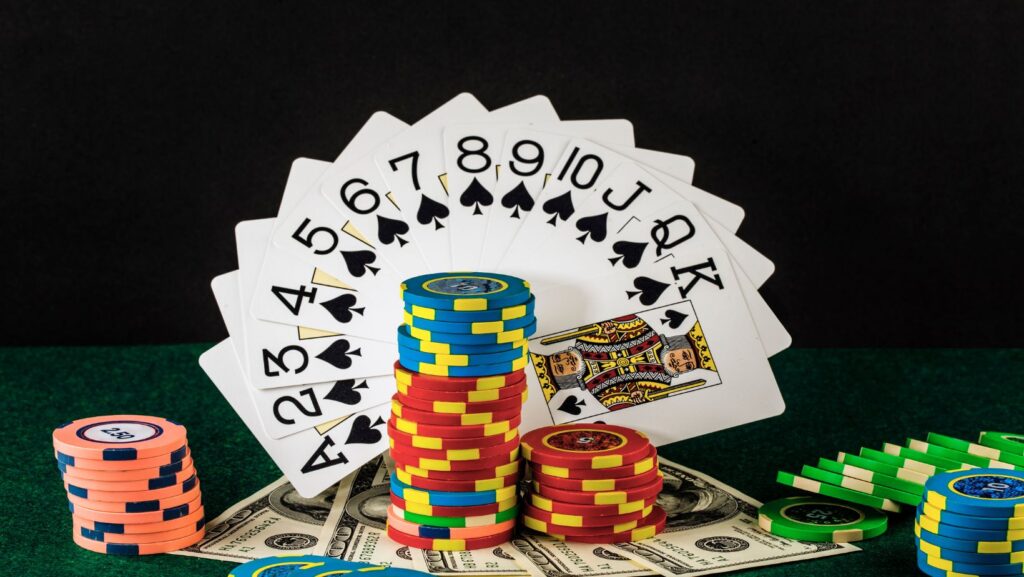
Additionally, some players believe that there are “hot” or “cold” tables in games like blackjack or poker, where they can predict outcomes based on the table’s current performance. This idea can lead to irrational decision-making. In actuality, each hand or roll does not depend on previous outcomes, and the odds are the same regardless of the perceived luck of the table. Understanding these myths is essential for maintaining a realistic approach to gaming and avoiding unnecessary losses, which can be detrimental to one’s gambling experience.
The Importance of House Edge
The house edge is a fundamental concept in the world of gambling that defines the built-in advantage that a casino has over players. This percentage reflects the average profit that a casino can expect to make from each game over time. For instance, in a game of roulette, the house edge varies based on the type of bet placed, with certain bets yielding lower odds than others. This edge is a critical factor in determining a player’s long-term expectations and understanding it can lead to more strategic gameplay.
Understanding the house edge helps players make informed decisions about which games to play. Games like blackjack can have lower house edges compared to slots due to the strategic element involved. Knowledgeable players can employ specific strategies to minimize the house edge, ultimately enhancing their gaming experience. Recognizing the mathematical realities behind the house edge can also help mitigate disappointment when losses occur, as they are an expected part of the gambling process, not an anomaly.
Moreover, players often overlook the importance of bankroll management in relation to the house edge. Proper bankroll management means understanding how much one is willing to lose versus how much they hope to win. This aspect, combined with the house edge information, allows players to set realistic limits and avoid chasing losses, which is crucial for a sustainable gaming experience. A solid grasp of these principles can lead to more enjoyable and responsible gaming, minimizing the risk of significant financial distress.
Strategies for Maximizing Winning Potential
While luck plays a significant role in casino games, adopting effective strategies can enhance a player’s winning potential. One popular strategy is to focus on games with a lower house edge, like blackjack or video poker, where skill and decision-making can significantly influence outcomes. Educating oneself on optimal strategies for these games can provide a competitive edge. For instance, knowing when to hit, stand, or double down in blackjack can lead to better results and potentially greater payouts over time.
Another effective approach is to manage betting patterns carefully. Players should determine a budget ahead of time and stick to it, regardless of wins or losses. This discipline can prevent impulsive decisions that can lead to larger losses. Setting time limits and session goals can also help in maintaining focus and avoiding fatigue, which often leads to poor decision-making in gambling contexts. By being strategic in their approach, players can make their gaming experience more rewarding.
Finally, embracing the importance of responsible gaming cannot be overstated. Players should recognize that gambling is meant to be a source of entertainment rather than a guaranteed way to make money. Prioritizing fun over wins can help maintain a healthy relationship with gambling. By approaching casino games with a mindset that balances enjoyment with strategic play, individuals can enhance their overall gaming experience while managing risk effectively and ensuring they do not fall into the trap of compulsive gambling.
Conclusion and Resources for Further Learning
As we have explored throughout this article, understanding casino odds, debunking myths, and recognizing the role of house edges can empower players to make informed decisions in their gaming experiences. There is a wealth of knowledge available that can enhance one’s understanding of the intricacies involved in gambling. Exploring various strategies not only boosts confidence but can also lead to more rewarding experiences in the long run. Engaging with content from reputable sources can help players develop a solid foundation in understanding casino dynamics.
For those interested in diving deeper, numerous resources are available online that provide insights into specific games, strategies, and odds calculations. Engaging with forums and community discussions can offer valuable personal perspectives and shared experiences from fellow players. This interaction can foster a sense of community among players, further enriching their understanding of the gaming landscape.
Ultimately, embracing education and responsible gaming practices can significantly enhance the enjoyment of casino experiences. By staying informed, players can maximize their potential for success and have a fulfilling time while gaming. Whether it’s through self-study, community engagement, or simply enjoying the thrills of the game, the journey into the world of casino gaming can be as rewarding as the outcomes sought, leading to a more enjoyable and sustainable gambling experience.